
Preparing for a home appraisal is usually simple. You do not need to stage the house, make special repairs, or assemble a large package of paperwork before the appointment.
In most cases, the most helpful thing you can do is make sure the appraiser can reasonably view the main areas of the home and any significant improvements such as a garage, shop, accessory dwelling unit, or other important outbuilding. If you have information about major renovations, additions, or unusual property features, having it available can also be helpful.
Every property and appraisal assignment is different. If anything special is needed for your particular appraisal, I will let you know before the appointment.
Appraisal Services of Oregon develops independent, USPAP-compliant opinions of market value for residential properties throughout Oregon and Southwest Washington. More information about the overall practice is available on the Residential Home Appraisals page.
What should you do before the appraiser arrives?
For most homes, there is very little preparation required.
A few simple things can make the appointment easier:
- Make sure the main living areas of the home are reasonably accessible.
- Provide access to significant garages, shops, ADUs, barns, or other improvements when they are relevant to the property.
- Secure pets if necessary.
- If convenient, have a short list of major improvements and approximate dates.
- Let the appraiser know about unusual property features that may not be obvious.
- If there is anything the appraiser needs specifically for your assignment, it can be discussed before the inspection.
You do not need to make the house look like it is ready for an open house. Normal household belongings, furniture, and day-to-day living generally do not interfere with the appraisal.
What access does the appraiser need?
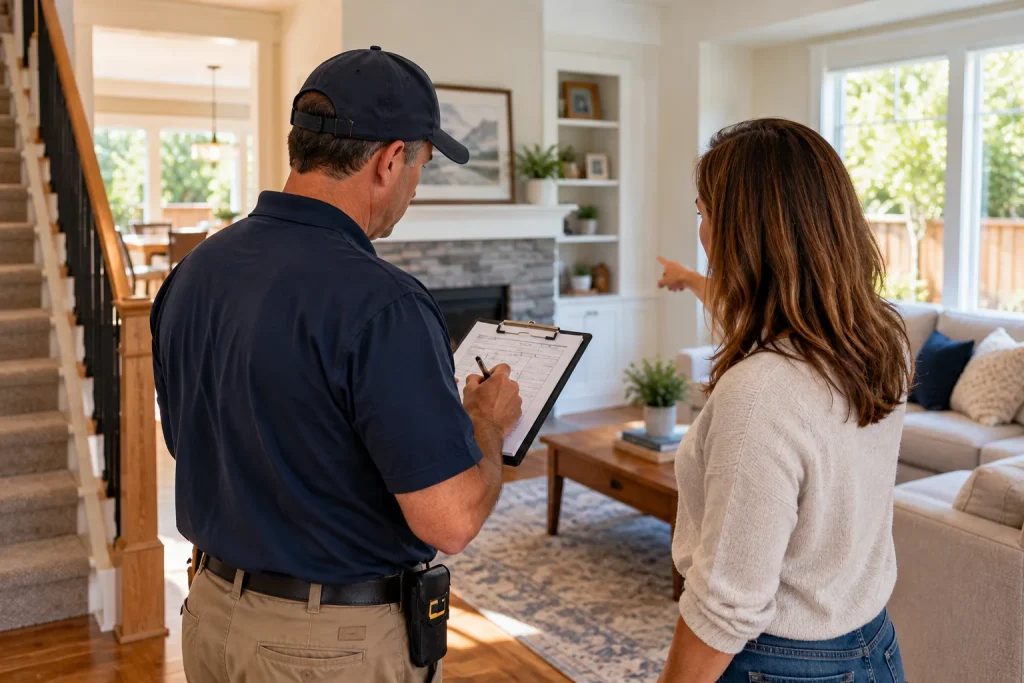
The appraiser generally needs reasonable access to the portions of the property that are relevant to the assignment.
For a typical home, that usually means the primary living areas, garage, and significant improvements on the site. For acreage or more complex properties, that may also include shops, barns, additional dwellings, or other improvements that contribute to the property.
There is normally no need to prepare attic or crawl-space access for a residential appraisal unless there is an unusual assignment-specific reason to do so.
If a room or structure will not be accessible, simply let me know. In many cases it is not a significant issue. If the inaccessible area is important to the appraisal, we can discuss the best way to address it.
You do not necessarily need to remain at the property for the entire appointment. Someone simply needs to provide access unless other arrangements have been made in advance.
Do you need to gather documents for the appraisal?
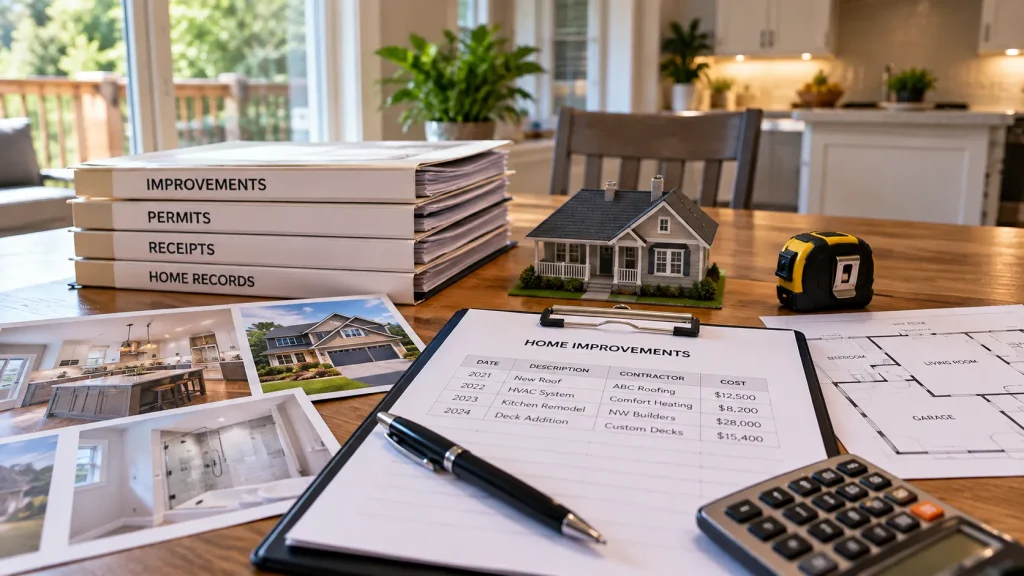
You do not need to assemble a large file of documents before the appointment.
However, information that is not obvious from inspecting the property can sometimes be useful. If you already have any of the following, feel free to make it available:
- A short list of major improvements and approximate completion dates
- Information about additions or significant remodeling
- Building permits for major additions or structural work
- A survey or plat, particularly for an unusual site
- Information about easements or additional tax lots
- Floor plans or other property information that may help explain the home
- Documents relating to the purpose or effective date of the appraisal when applicable
Do not worry if you do not have these items. Much of the information needed for an appraisal can be obtained from public records, market data, MLS information, and other research sources.
The appraiser will determine what additional information, if any, is necessary for the particular assignment.
What information is helpful about improvements?
If you have made significant improvements to the property, a simple list can be very helpful.
Examples might include:
- Roof replacement
- New heating or cooling systems
- Window replacement
- Kitchen remodeling
- Bathroom remodeling
- Additions
- Finished lower-level areas
- Major electrical or plumbing work
- New garages, shops, barns, or other structures
Approximate dates are usually sufficient. You do not need to locate every receipt or invoice.
The purpose of providing improvement information is not to add the cost of the improvements directly to the value. Instead, the information helps the appraiser understand the property’s condition, age, quality, and features so they can be analyzed in the context of the local market.
What about acreage and rural properties?
Acreage and rural properties often have additional features that are not obvious from public records.
If you know information about the well, septic system, additional tax lots, easements, access, barns, shops, secondary dwellings, or other significant improvements, feel free to share it.
You do not need to locate every property corner or physically identify every component of the septic system before the inspection.
If you have a survey, septic record, well information, deed, or other documentation already available, it may be useful. If you do not have those documents, do not worry. I can often obtain much of the necessary information through public records and other research.
The appraisal of acreage, rural residences, outbuildings, wells, septic systems, and other rural property characteristics is discussed further on the Acreage and Rural Property Appraisals page.
What should you tell the appraiser?
Feel free to share information you believe may be relevant to the property.
That might include:
- Major improvements
- Unusual features
- Known defects
- Access issues
- Unpermitted additions or conversions
- Easements
- Recent neighborhood activity
- Information about an ADU or second dwelling
- Features that may not be readily apparent during the inspection
You may also mention sales or listings you believe are relevant. The appraiser will independently verify and analyze any information that may be useful.
You do not need to know what the property is worth before you call. Determining an independent opinion of value is the purpose of the appraisal.
What happens during the appraisal inspection?
During the inspection, the appraiser observes the property’s condition, quality, layout, site characteristics, and significant features that may affect market value.
The appraiser typically photographs the property and measures or verifies relevant building areas as appropriate for the assignment.
For most residential properties, the appraiser will consider such things as:
- Overall condition and quality
- Room layout and functional utility
- Gross living area and other finished areas
- Garages and significant outbuildings
- Site size and characteristics
- Views and location influences
- Remodeling and improvements
- Significant deferred maintenance
- Other property features buyers may consider
The appraisal inspection is not the same thing as a home inspection. Appraisers do not normally test mechanical systems or perform invasive inspections of the structure. Those services belong to appropriately qualified home inspectors or other specialists.
A typical residential inspection is often completed in less than an hour. Acreage, unusual properties, large homes, or properties with numerous improvements may require additional time.
Should you clean or stage your home before an appraisal?
You do not need to stage your home for an appraisal.
Normal cleaning and tidying generally do not change the underlying market value of the property. An occupied home does not need to look like a model home.
It can be helpful to move items that physically prevent access to an important area, but there is no need to undertake a major cleaning project simply because the appraiser is coming.
Longer-term property condition, maintenance, remodeling, and completed improvements can affect how buyers respond to a home and are considered as part of the appraisal.
If you are considering improvements specifically before selling, the Pre-Listing Appraisals page discusses how an appraisal can help evaluate the property before it is placed on the market.
Do you need to make repairs before the appraisal?
Generally, no.
You should not feel that you need to complete a list of repairs before scheduling the appraisal.
The property is typically appraised in its actual condition as of the effective date of the appraisal. Existing condition, deferred maintenance, and completed improvements are considered as part of the analysis.
If you are unsure whether a particular repair or project matters, feel free to ask before the appointment.
How long does a home appraisal inspection take?
A typical single-family home often takes less than an hour to inspect.
Larger homes, acreage properties, multiple buildings, unusual construction, or complex properties may take longer.
The inspection is only one part of the appraisal process. Research, comparable-sale analysis, reconciliation, and preparation of the appraisal report occur after the property has been inspected.
Do I need to be home for the appraisal?
No. You do not necessarily need to remain at the property during the inspection.
Someone simply needs to provide access unless another arrangement has been made in advance.
If you have questions about improvements, unusual features, or known property issues, it can be convenient to discuss them at the beginning of the appointment. You are then welcome to stay or go about your day.
Will an unpermitted improvement prevent an appraisal?
Not necessarily.
Unpermitted work is not automatically ignored simply because a permit cannot be located.
The appraiser considers the physical characteristics of the improvement, available records, market reaction, and the requirements of the particular appraisal assignment.
If you know that an addition or improvement was completed without permits, it is helpful to mention it. The issue can then be considered openly rather than discovered unexpectedly during research.
What does the appraiser measure?
The appraiser typically measures or verifies the portions of the property that are relevant to the assignment.
For a typical residence, this commonly includes the primary dwelling and may also include significant garages, additions, accessory dwelling units, shops, barns, or other improvements.
Public-record square footage is reviewed, but the appraisal is not based solely on county records.
Can I give the appraiser information about recent sales?
Yes.
If you know of a recent sale or listing that you believe is particularly similar to your property, you are welcome to mention it.
The appraiser will independently verify the information and determine whether it is relevant to the analysis.
The final comparable selection is based on market evidence and professional judgment, not simply on which sales were provided by the homeowner.
How should I prepare a manufactured home on land?
Preparation is generally the same as for other residential properties.
Provide reasonable access to the home and significant improvements. If you already have title information, placement documentation, foundation information, or records relating to the manufactured home, they can be helpful but are not necessarily required before the inspection.
The manufactured home, site, foundation, and other improvements are analyzed together when appropriate for the assignment.
What is the most important thing to remember?
Preparing for an appraisal should not be stressful.
You do not need to know appraisal terminology, prepare a perfect house, or gather every document associated with the property.
For most assignments, simply provide reasonable access and share any significant information you already have about the property.
If your appraisal requires anything more specific, I will let you know before the appointment.
Appraisal Services of Oregon serves homeowners, attorneys, executors, trustees, agents, and other clients throughout the Portland Metro, Willamette Valley, Oregon Coast, Columbia River Gorge, and Southwest Washington.
To discuss a property or schedule an appraisal, request an appraisal online or call 503-757-7100.