
The Brief
A probate appraisal puts an independent property value on the estate’s record.
Definition

Under Oregon Law
Protection
From a Recent Probate Assignment
Who It Serves
Personal representatives, estate attorneys, and heirs all use probate appraisal services, each with a different need on the same record. Three parties, one signed value:
Timing
From a Recent Probate Assignment
How It Works
The Fee
One conversation scopes the assignment and produces an accurate quote.
Coverage
FAQ
It depends on the purpose of the appraisal and the needs of the estate. In many cases, the estate requires an independent appraisal even if the property will ultimately be sold. We work with the personal representative and, when appropriate, the estate’s attorney to determine the assignment requirements.
The estate pays for the probate appraisal. Oregon law entitles the appraiser to a reasonable fee paid from the estate, along with necessary expenses (ORS 113.185). Personal representatives rarely carry the cost personally, and the estate’s attorney confirms how expenses run in the specific proceeding.
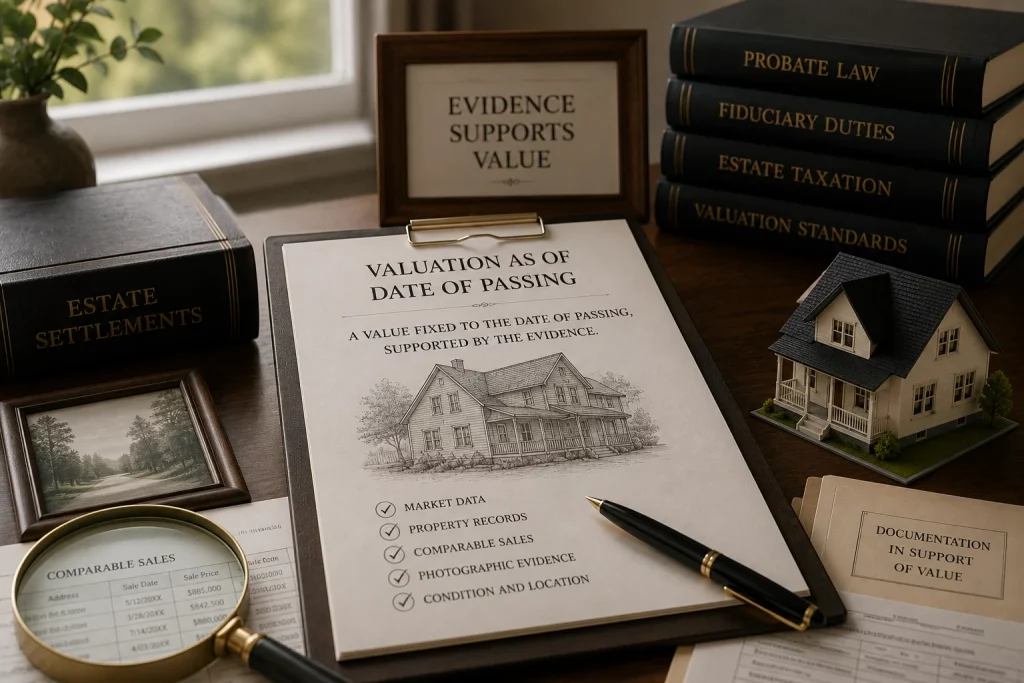
The two overlap, and the difference sits in the function each serves. A probate appraisal serves the estate proceeding and its record. A date-of-death valuation fixes the value to the date of passing for tax and cost basis purposes. One assignment often serves both when the effective dates align, and we confirm the right structure at engagement.
The personal representative selects the appraiser in most administrations. Oregon law also gives the court discretion to direct appraisal by appraisers the court appoints. The estate’s attorney confirms what the specific proceeding requires, and our reports serve either path.
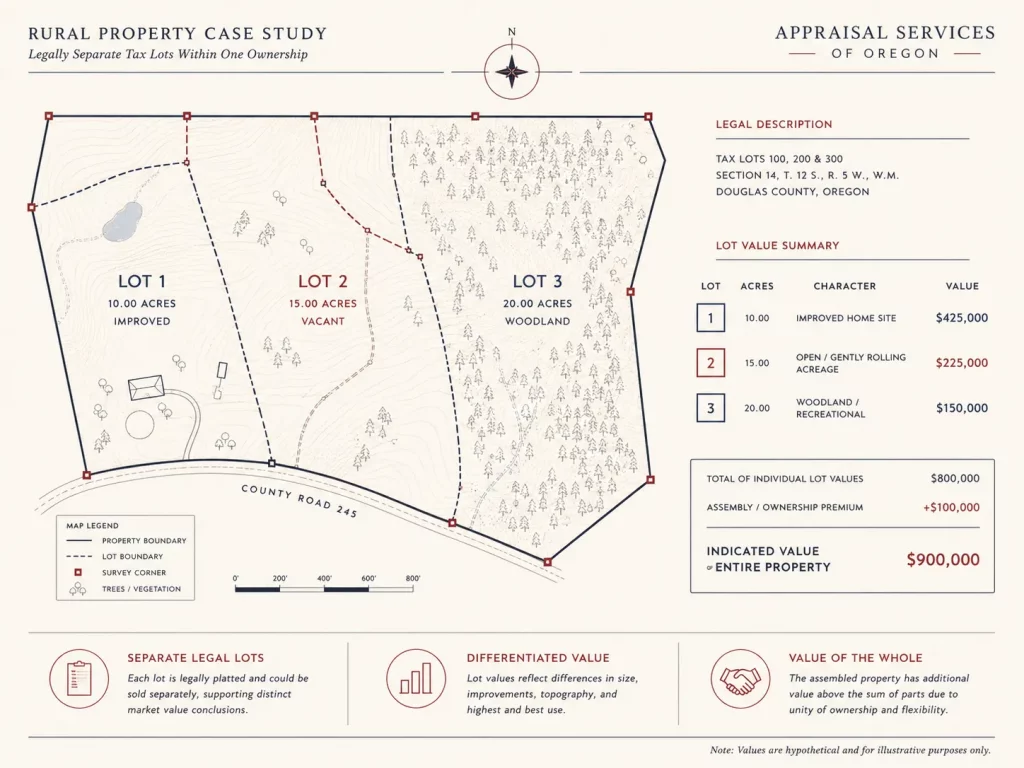
Each property receives its own valuation, coordinated within one engagement. Separate opinions of value keep the record clean for each asset, while a single point of contact keeps the work simple for the personal representative.
Requesting the appraisal as soon as practical helps avoid unnecessary delays while allowing adequate time for the research complex properties often require. The estate’s attorney can help determine the appropriate timing based on the specific proceeding.
Yes, we work with the estate’s attorney whenever the client directs. The report names its client and intended users, and delivering directly to counsel keeps the proceeding moving without extra steps for the family.