
The Short Answer
A divorce appraisal delivers an impartial, independent opinion of the marital home’s market value.
Definition

Oregon and Washington
Oregon courts divide marital property in the way that is just and proper in all the circumstances under ORS 107.105, and Washington courts make a just and equitable division under RCW 26.09.080. Both standards rely on a documented value for the marital home.
Oregon law, set by the Oregon Legislature, presumes that both spouses contributed equally to property acquired during the marriage. The presumption is rebuttable, and the value of the home is the starting point for every argument about it. Washington law, set by the Washington State Legislature, weighs the nature and extent of the property and the economic circumstances of each spouse.
The appraisal does not decide the division. The court, the mediator or the attorneys decide it. The appraisal supplies an independent opinion of market value, fixed to the effective date the case requires: the current date, the separation date or the trial date. A value fixed to a past date is a retrospective appraisal, covered in the separation-date section below.
Appraisal Services of Oregon appraises homes for divorce in Vancouver, Camas, Battle Ground and across Clark County, Washington. Our post on how a house is appraised in a Washington divorce covers community property and the effective date.
The Difference
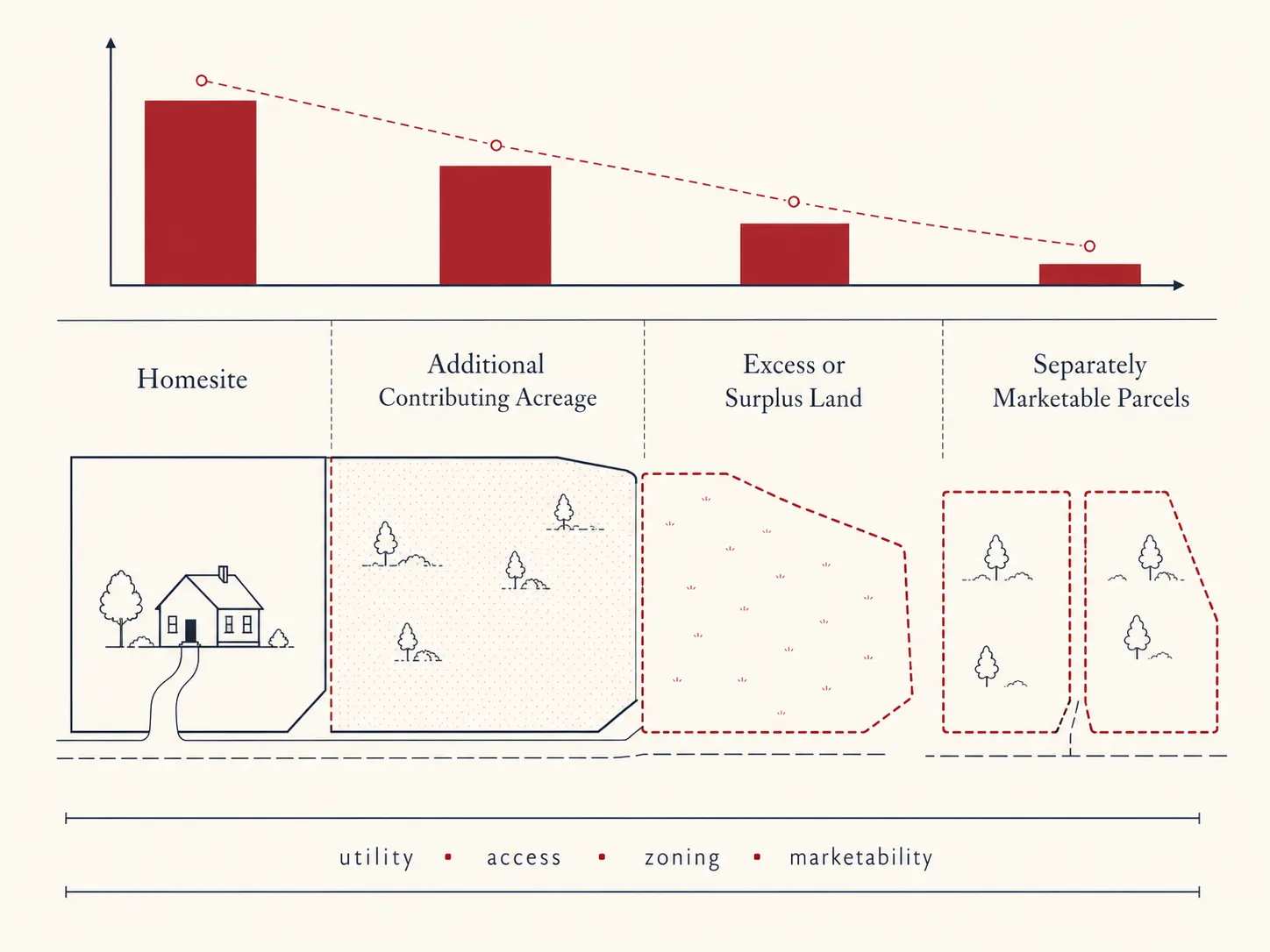
Structure
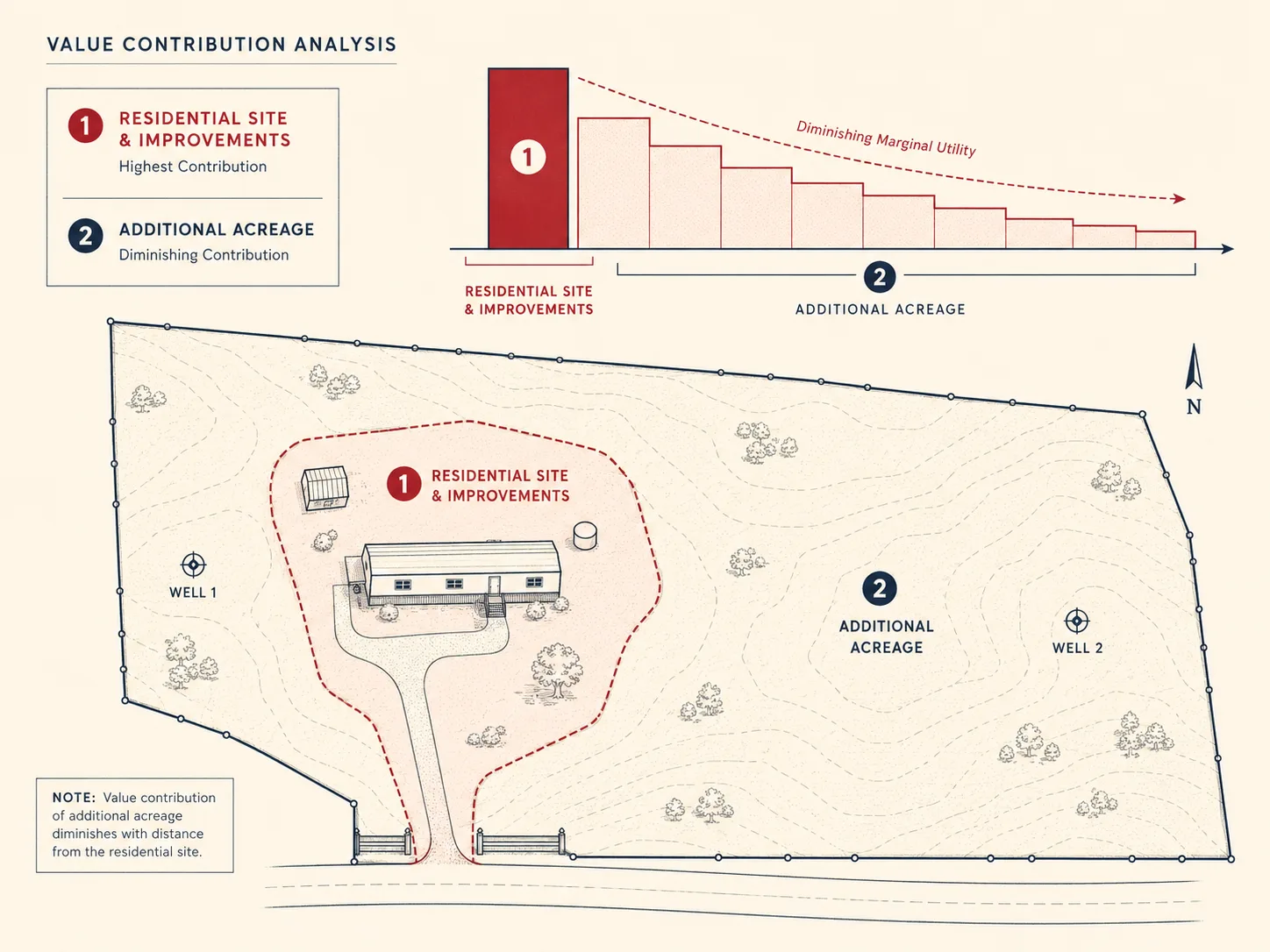
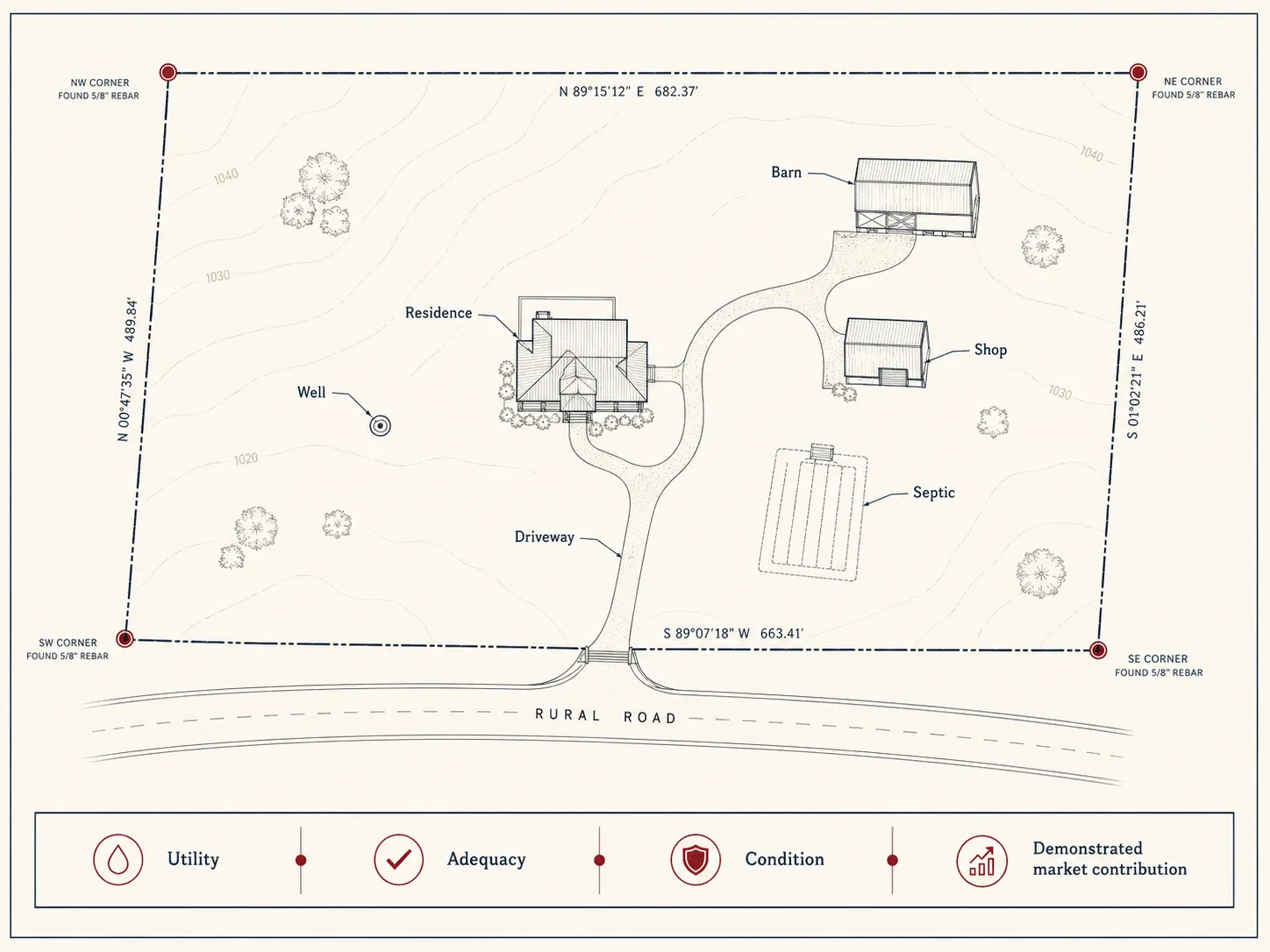
From a Recent Divorce Assignment
The Date
Divorce matters value the marital home as of today or as of a separation date the attorneys direct. Past-date work runs through our retrospective real estate appraisals, with the value fixed to the chosen date and backed by market evidence from that period. Picking the date belongs to the attorneys and the case; delivering a defensible value on that date belongs to us.
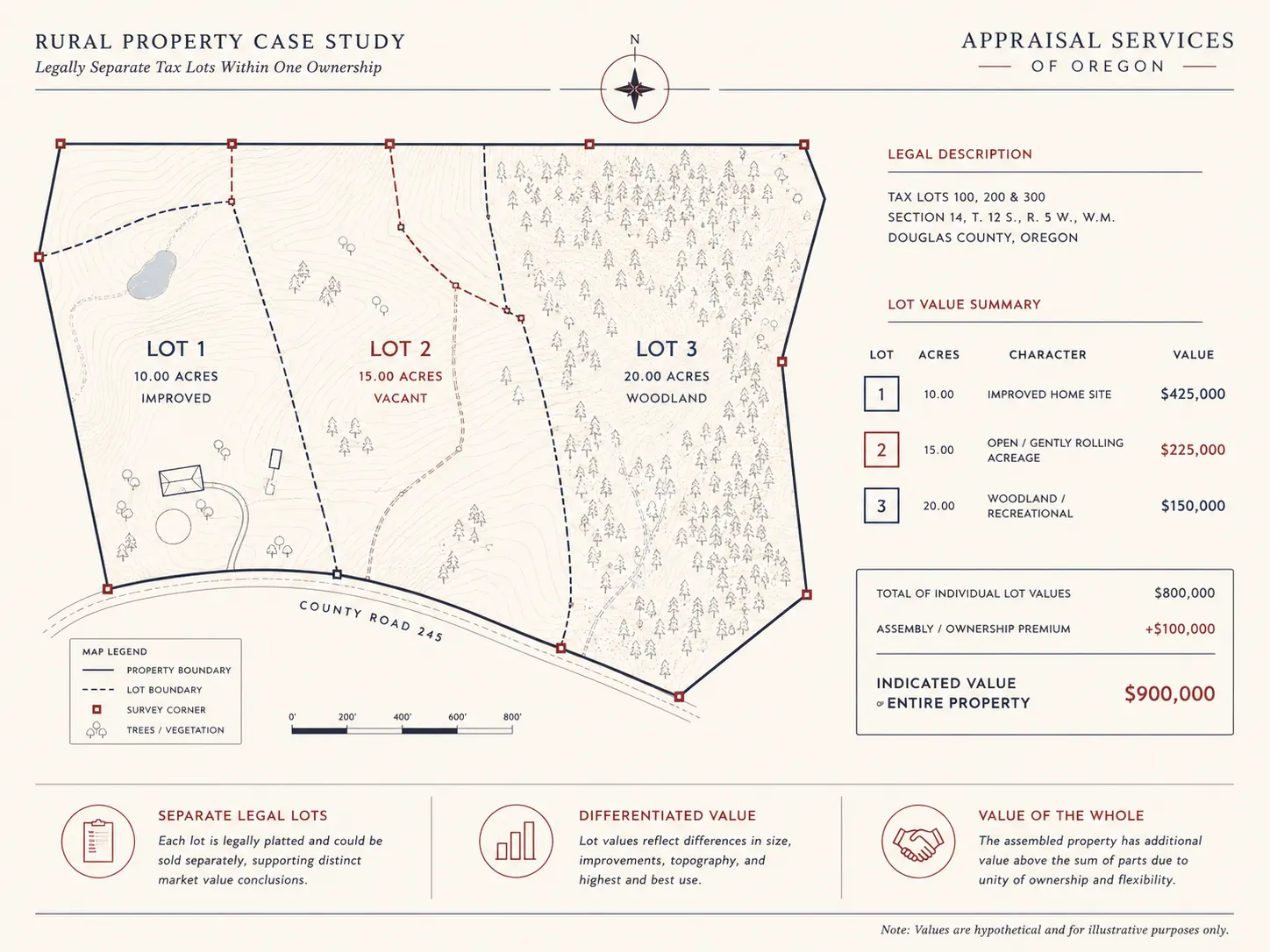
From a Recent Divorce Assignment
Who It Serves
Both spouses, family-law attorneys, and mediators all use divorce appraisal services around the same neutral number. Divorce work is one part of an independent residential appraisal practice that covers every type of home. Whichever structure the case takes, the deliverable holds one standard:
Backed by comparable evidence both sides examine line by line.
With a stated scope of work and a signed certification, built on our standard appraisal process.
Readable enough to settle with, documented well enough to defend.
How It Works
The Fee
One short conversation scopes the case and quotes it accurately.
Coverage
FAQ
No, the value follows the evidence regardless of which party engages the assignment. Advocacy is prohibited under USPAP, and the conclusion rests on comparable sales rather than on the engagement. The report reads the same whichever side ordered it.
No, access to the property is the only requirement, and attendance is arranged however the parties prefer. One party, both parties, or neither attends, as the situation and counsel direct. The inspection reads the property, not the household.
Yes, the report goes to the client and the intended users named in it, and USPAP holds appraisers to confidentiality with client information. Who receives the report is settled at engagement, and the attorneys direct any wider distribution the case requires.
Yes, if both parties and their attorneys agree. Many divorce matters involve a single neutral appraisal prepared by an independent appraiser. In other cases, each party may choose to obtain a separate appraisal. The appropriate approach depends on the circumstances of the case and the agreements reached between the parties and their attorneys.
Yes. Although many divorce matters are resolved through negotiation or mediation, we are available to provide expert witness testimony when requested. If expert testimony is anticipated, we discuss those requirements during the initial consultation so the appropriate scope of work and fee can be established.